

Baking Swaps 101: How to Substitute Butter, Flour, Eggs, and Milk
Craving a batch of warm chocolate chip cookies but realize that you’re out of butter? Don’t worry; there are plenty of butter substitutes that can save you a trip to the grocery store.
Whether you need a substitute for butter because you’ve run out, need to adapt a recipe for a dietary restriction, or you just want to experiment with a recipe, the right swap can help yield delicious results. From vegan alternatives to pantry staples like oil, mashed bananas, or applesauce, many butter substitutes can work well in baked goods if you know when and how to use them.
This guide will break down the most effective butter substitutes for baking. Then, we’ll explore other popular ingredient swaps, including eggs, flour, and more.
Here’s a quick reference guide to some of the most common substitutes for butter:
| Substitute | Ratio | Best Used For | Notes |
|---|---|---|---|
| Vegetable Oil | ¾ cup oil = 1 cup butter | Cakes, brownies, quick breads | Adds moisture but can affect structure |
| Coconut Oil | 1:1 (solid or melted) | Cookies, bars | Adds mild coconut flavor; solid at room temperature |
| Greek Yogurt | ½ cup = 1 cup butter | Cakes, muffins | Adds tang and protein; may affect texture |
| Applesauce | ½ cup = 1 cup butter | Muffins, quick breads | Moist and dense; lowers fat content |
| Mashed Banana | ½ cup = 1 cup butter | Banana bread, pancakes | Distinct flavor; best in soft, sweet bakes |
| Plant-Based Butter | 1:1 | Most recipes | Works similarly to dairy butter |
Why and When to Use Substitutes
Baking substitutes can help when you’re in a pinch and short on ingredients, but there are other reasons people enjoy swapping out alternatives as well:
- Dietary Needs and Allergies: Whether it’s milk, gluten, eggs, or nuts, food allergies often mean recipes need to be adapted for dietary restrictions. Just be sure to read the nutrition labels of all ingredients carefully.
- Budget Constraints: With rising food prices, knowing simple baking swaps can help keep your budget in check.
- Health and Nutrition Goals: Baking substitutes can help you enjoy your favorite baked goods while reducing the amount of fat, sugar, or calories you’re consuming.
- Experimentation and Flavor Customization: Ingredient alternatives can give a creative challenge to those who enjoy experimenting with flavors and textures while baking.
Regardless of why you need an ingredient substitute, knowing how the ingredient works can help you bake confidently.
We’re starting with a versatile and commonly swapped ingredient: butter. Whether you want a plant-based option, lower-fat alternative, or just ran out of dairy butter, there are plenty of substitutes you can use.
Butter Substitutes
Butter brings more to the table than just flavor. When swapping out butter, it’s helpful to understand its role in the recipe so you can choose the best alternative to achieve a similar result.
In many recipes, it adds moisture and tenderness, helping to create soft textures in baked goods like muffins, cookies, and cakes. It can also play a structural role. As the water in butter turns to steam in the oven, it helps baked goods rise and hold their shape.
It also affects how a recipe looks, smells, and tastes. Cold butter is what gives laminated doughs—like puff pastry and croissants—their signature flaky layers. When creamed with sugar, butter traps air, creating lift and a lighter crumb. When it bakes, the milk solids in butter contribute to browning, giving your recipe its golden color and buttery aroma that’s hard to beat.
Plant-Based Butters: The Closest Match
Plant-based butter alternatives replicate dairy butter, making them one of the easiest one-to-one swaps in baking. They match the fat content and baking behavior of traditional butter, so they tend to perform well in everything from cookies to pie crusts.
For best results, choose a brand with high-fat content and minimal added water to achieve a more consistent texture and structure in your final product.
Oils: Great for Moisture, Not Structure
Liquid oils, such as vegetable, canola, and avocado, are excellent substitutes for butter in recipes that call for melted butter, like brownies and cakes. Oil helps to create a similar soft and tender texture. However, it won’t provide the same flavor or structure as butter.
Because oil is 100% fat and butter is 80% fat, you typically only need to use ¾ of the called-for butter measurement in a recipe.
Choosing neutral flavor oils like vegetable oil, avocado oil, canola oil, sunflower oil, grapeseed oil, or light olive oil can help maintain a similar result. Using extra virgin olive oil or unrefined coconut oil can provide a distinct flavor that may change the taste of your baked goods.
Greek Yogurt: High-Protein Moisture
If you want to maintain a similar moisture provided by butter while increasing protein in your recipe, Greek yogurt can be a good substitute. However, keep in mind that it tends to have a denser texture and can add a slight tangy taste to the final product.
Try using the full-fat version to help maintain moisture and richness in your recipe.
Fruit-Based Substitutes: Healthier but Softer
If you’re looking for a low-fat or allergy-friendly butter substitute, then a fruit-based substitute might be the right fit for you. Unsweetened applesauce and mashed bananas are popular options. They can be a great swap to use in muffins, snack cakes, and breakfast breads. However, they have a tendency to add softness to the final product and can prevent browning and crisping, so consider if that change in texture will work for your dish.
When Not to Substitute for Butter
While butter substitutes can work for many products in everyday baking, there are some baked goods where butter is essential to the desired outcome.
- Laminated doughs (like croissants and puff pastry): These rely on butter’s solid structure and precise melting point to create layers and flakiness. Swapping in oils or softer fats will ruin the texture.
- Buttercream frostings: Butter provides flavor, structure, and whip-ability. Substitutes may lead to a greasy, unstable, or flavorless result.
- Shortbread or butter-forward cookies: These recipes showcase butter’s rich flavor and crumbly texture. A substitute will noticeably change the outcome.
- Recipes where browning or caramelization is key: Butter contributes to golden, crisp edges and that classic baked goods aroma.
→ Read this next: Margarine vs. Butter: What’s the Difference?
Substituting for butter can open up new possibilities in your baking, but it’s not always the right choice. Consider what the recipe requires—flavor, structure, or that golden finish—and select your replacement accordingly.
Other Common Baking Substitutes for Everyday Ingredients
Now that we’ve covered butter alternatives, let’s examine a few other everyday ingredients that often require substitution in the kitchen. Whether you’re missing an ingredient or baking for specific dietary needs, these go-to swaps can help you keep the recipe on track.
Egg Substitutes
Eggs are one of the most versatile ingredients in baking. They can be used for structure, moisture, leavening, and binding. But if you’re out of eggs or baking for someone with an allergy or dietary restriction, these egg substitutes can help:
- Chia Seeds (Chia Egg): Mix 1 tablespoon of chia seeds with 3 tablespoons of water to create a gel that can help with binding and moisture in muffins, pancakes, and cookies.
- Flax Seeds (Flax Egg): Combine 1 tablespoon ground flaxseed with 3 tablespoons of water for a nutty, binding substitute ideal for brownies, quick breads, and pancakes.
- Applesauce: Use ¼ cup of unsweetened applesauce per egg to add moisture and softness to cakes, muffins, and snack breads. (If you’re already using applesauce as a butter substitute, find another option for the egg substitute.)
- Commercial Egg Replacers: Pre-mixed powders mimic egg structure and leavening and work well in most cookies, cakes, and quick breads.
For more egg substitute options, read Best Egg Substitutes for Baking and Cooking (and When to Use Each One)
Milk Substitutes
Milk adds moisture, richness, and, in some cases, acidity to baked goods. When choosing a milk substitute, consider whether your recipe needs fat, liquid, or tang to perform well.
Non-Dairy Milks: The Go-To Swap
Almond, oat, soy, and coconut milk are among the most common substitutes for cow’s milk in baking. In most recipes, you can use them as a 1:1 swap.
For the best results, choose unsweetened and unflavored versions to avoid adding unexpected sweetness or altering the flavor of your baked goods.
Oat milk has a creamy texture that works well in cakes and muffins. Almond milk is light and neutral, making it a versatile option. Soy milk is higher in protein, so it behaves more like dairy milk in terms of structure and browning. Canned coconut milk is much richer and works best in recipes where a denser, more decadent texture is welcome.
Yogurt and Buttermilk: Tangy and Tender
Yogurt and buttermilk are great options when you want to add moisture and a slight tang to your baked goods. They work exceptionally well in soft, tender recipes, such as muffins, pancakes, and cakes.
You can usually substitute them in a 1:1 ratio. However, if you’re using thick Greek yogurt, it may help to thin it with a little water or milk for a smoother consistency.
These ingredient swaps are beneficial in recipes that call for baking soda, as their natural acidity helps activate the leavening process and create a light, airy texture.
Evaporated Milk or Half-and-Half: For a Richer Texture
Both evaporated milk and half-and-half can add richness and creaminess to your baked goods. They’re often used in custards, cream pies, or dense cakes where a heavier texture is welcome.
Evaporated milk is more concentrated than regular milk, so if your recipe is on the lighter side, you can either use slightly less than a 1:1 ratio or dilute it with a bit of water. Half-and-half can usually be used as a direct substitute for milk when you want a creamier result.
Flour Substitutes
Flour gives baked goods structure, texture, and volume. If you’re avoiding all-purpose flour due to dietary needs or just ran out, these flour substitutes can help you keep baking.
- Whole Wheat Flour: Use as a 1:1 swap in sturdy recipes like muffins or pancakes, though it creates a denser, heartier texture.
- Oat Flour: Great for soft baked goods like cookies and quick breads, but you may need a binder in gluten-free recipes.
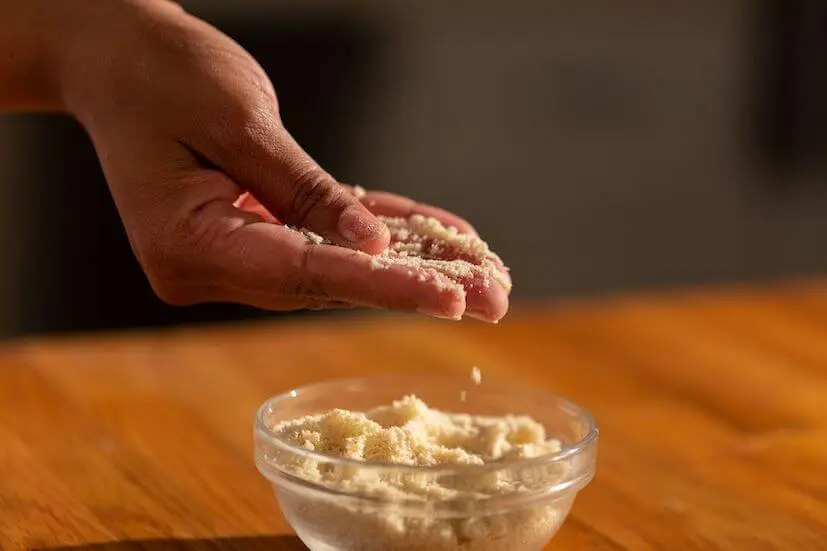
- Almond Flour: Adds richness and moisture to cakes and brownies but requires support from eggs or other flours for structure. On average, you can use a 1:2 ratio for swapping out traditional flour with almond flour. However, it’s recommended that you start with a 1:1 ratio and add additional almond flour as needed until you reach the desired consistency.
While gluten free certified almond flour and oat flour can help you meet your dietary restrictions, the lack of gluten means they may not behave the same way as all-purpose or whole wheat flour. Almond flour can have a gritty texture and may not be a good fit for all recipes. For more flour alternatives, check out 7 Substitutes for All-Purpose Flour.
Other Common Baking Substitutes
Baking relies on more than just butter, eggs, and flour. If you’re missing another essential ingredient, here are some common baking swaps that can help save the day.
| Ingredient | Substitute | Best Used For | Notes |
|---|---|---|---|
| Buttermilk | 1 cup milk + 1 tbsp lemon juice or vinegar | Pancakes, cakes, muffins | Provides acidity and tenderness; let sit 5–10 min before using |
| Brown Sugar | 1 cup white sugar + 1 tbsp molasses | Cookies, cakes, sauces | Matches flavor and moisture of traditional brown sugar |
| Powdered Sugar | 1 cup white sugar + 1 tbsp cornstarch (blended) | Frostings, icings, decorative dusting | Creates a smooth texture; blend until powdery |
| Baking Powder | ¼ tsp baking soda + ½ tsp cream of tartar | Cakes, muffins, quick breads | Provides lift; mix just before using |
| Vanilla Extract | Equal amount of maple syrup or almond extract | Cakes, cookies, frostings | Changes flavor slightly—use in recipes where the shift complements the taste |
Make Your Own Buttermilk Substitute
If a recipe calls for buttermilk and you don’t have any on hand, simply add 1 tablespoon of lemon juice or vinegar to 1 cup of milk and let it sit for 5–10 minutes. This creates the acidity needed to activate baking soda and helps tenderize baked goods, such as pancakes, cakes, and muffins.
DIY Brown Sugar
To replace brown sugar, mix 1 cup of granulated sugar with 1 tablespoon of molasses until the mixture is fully combined. This substitute provides the same moisture and rich flavor in cookies, cakes, and sauces.
How to Make Powdered Sugar
Blend 1 cup of granulated sugar with one tablespoon of cornstarch in a blender or food processor until it becomes a fine powder. This works best for frosting, icing, or any recipe that requires a smooth texture and easy dissolving.
Create a Baking Powder Substitute
Mix ¼ teaspoon of baking soda with ½ teaspoon of cream of tartar to replace 1 teaspoon of baking powder. This combo creates the lift and lightness you’d expect in cakes, muffins, and quick breads.
Try a Vanilla Extract Alternative
If you’re out of vanilla extract, try using maple syrup or almond extract in equal amounts. Just keep in mind that both will slightly change the flavor of your final bake.
Swap Smart, Bake Better
Every great baker starts with curiosity—tweaking ingredients, testing new techniques, and learning from every batch. Maybe you’ve experimented with oil instead of butter or tried oat milk in your favorite muffins. Those small adjustments are more than just workarounds; they’re part of how you start developing your instincts in the kitchen.
If you’re ready to build on that foundation and take your baking skills to the next level, the baking and pastry arts program at Auguste Escoffier School of Culinary Arts is a great next step. Through hands-on training, you can explore the techniques, science, and creativity behind everything from laminated doughs to plated desserts—and gain the confidence to start creating your own recipes with purpose.
Not quite ready for a full program? Explore Escoffier’s online and in-person enthusiast cooking classes to sharpen your skills at your own pace and have fun along the way.
Ready to keep building your cooking and baking skills? Read these articles next: