

Cooking Wine Explained: What to Know Before You Pour
If you’re new to cooking with wine, you probably have a few questions. What exactly is cooking wine, and is it different from the kind you drink? What does wine actually do for flavor? And can you swap red for white if that’s all you’ve got?
It might feel a little overwhelming at first, but here’s the magic: when wine hits the heat, some of the alcohol cooks off, leaving behind a concentrated essence of its original character. Think bright acidity to lift rich sauces, earthy undertones to deepen roasted meats, or delicate fruitiness that lingers in pan-seared seafood. It’s the kind of subtle upgrade that can take a dish from good to great.
Let’s uncork the basics, so you can cook with confidence.
Why Add Wine? What Wine Does For A Dish
Since all wines are acidic, you may have already guessed that wine brings a natural acidity to cooking that balances richness, but it does even more. Their aromatic compounds layer in subtle complexity, and they can even tenderize meats in a marinade. A splash of wine helps deglaze pans, pulling up flavorful bits to build a rich sauce. And unlike water, it adds moisture with character, not just volume.
Whether you’re simmering, roasting, or braising, wine works quietly in the background, enhancing, brightening, and deepening the flavor of the entire dish.
Quick Pour Guide: Which Wine to Use and When
Risotto or beef on the menu? Here’s what to pour in the pan.
| Wine Type | Flavor Profile | Best for Cooking |
|---|---|---|
| Cabernet Sauvignon | Bold, tannic, dark fruit | Beef stew, braised short ribs, hearty red meat sauces |
| Merlot | Soft, round, plummy | Tomato sauces, mushroom ragù, lamb shanks |
| Pinot Noir | Light, earthy, subtly fruity | Pork, duck, boeuf bourguignon, coq au vin |
| Sauvignon Blanc | Bright, citrusy, herbaceous | Shellfish, white wine butter sauces, cream sauces |
| Pinot Grigio | Dry, crisp, clean acidity | Risotto, lemon chicken, white fish |
Cooking Wine vs. Wine for Cooking: What’s the Difference?
Head to the vinegar aisle at the grocery store, and you’ll spot a bottle labeled cooking wine. It starts with wine made from grapes or grape concentrate, but it’s then fortified with preservatives like potassium sorbate and potassium metabisulfite to extend its shelf life. It’s also heavily salted, often enough to leave your dish tasting more briny or metallic than balanced.
Now walk a few aisles over to the wine section, and you’ll find bottles of actual drinking wine, the kind most chefs prefer to cook with. Why? Because the wine you choose plays an important role in the flavor of your dish. So you want something that’s fresh, well-balanced, and actually enjoyable to sip.
Think of wine as a dish’s quiet co-star. It doesn’t just add flavor, it transforms it. A splash of red wine pulls up every last bit of fond from the pan, turning it into a velvety sauce. A pour of white wine into risotto unlocks layers of brightness that stock alone can’t deliver. Even in baked goods or poached fruits, wine adds a subtle sophistication. For those things to happen, a good wine is the start.
Can You Drink Cooking Wine?
Technically, could you have a sip of cooking wine? Yes. But should you? It’s bound to be an unpleasant experience due to its extra salty nature.
Cooking wine is made with low-quality base wine, then loaded with salt and preservatives to make it shelf-stable. It’s designed for function, not flavor, and definitely not for pouring into a glass.
When cooking, reach for a bottle of regular drinking wine instead. It doesn’t have to be expensive, just something you wouldn’t mind tasting on its own. Even a budget-friendly bottle will elevate your dish far more than cooking wine could.
How to Choose the Right Wine for Your Dish
Most chefs and experienced home cooks abide by the golden rule of cooking with wine: If you wouldn’t drink it, don’t cook with it.
From there, it’s all about matching the wine to the style of your dish. Look for wines that are dry, bright, or balanced, which can help lift and sharpen flavors. And knowing when to reach for red vs. white? That’s half the battle.
From Pinot to Cab: Reds That Shine in the Pan
Red wine adds depth, richness, and body, especially in dishes that simmer low and slow or start with a flavorful deglaze.
Cabernet Sauvignon brings bold tannins and dark fruit flavors, making it a great match for hearty dishes like beef stew or braised short ribs. Tannic wines like Cabernet add structure and complexity, and in rich dishes, the fat helps soften those tannins and balance the flavor.
Merlot is softer and rounder, with a mellow fruitiness that makes it ideal for tomato-based sauces, mushroom ragù, or slow-cooked lamb shanks. This wine offers a balanced body that adds richness to a dish without overpowering it.
Pinot Noir brings the delicious earthy undertones to the table. It’s a lighter bodied wine with a delicate complexity, pairing well with mushrooms, root vegetables, and herbs like thyme or rosemary. Reach for a bottle when you’re cooking delicate proteins like duck or pork or for reductions for roasted vegetables. It also shines in French classics like boeuf bourguignon or coq au vin.
General rule for red wines: Use red wine in heavier dishes, like stews, braises, reductions, tomato sauces, and pan sauces for red meat or mushrooms. As you get more comfortable cooking with red wine, you can explore different flavor profiles. Julia Child was known to use a young full-bodied Beaujolais or Côtes du Rhône in her coq au vin.
Bright, Crisp, and Ready to Cook: Best White Wines for the Job
White wines bring brightness, acidity, and a whisper of aromatics, making them ideal for light proteins and creamy dishes.
Sauvignon Blanc is a standout white wine for cooking, thanks to its zippy acidity, citrusy brightness, and herbal edge. It’s great for cutting through rich cream sauces or complementing shellfish. Try it in a white wine butter sauce for clams or mussels. Or if your dish simply needs a lift of freshness, this is the bottle to have on hand.
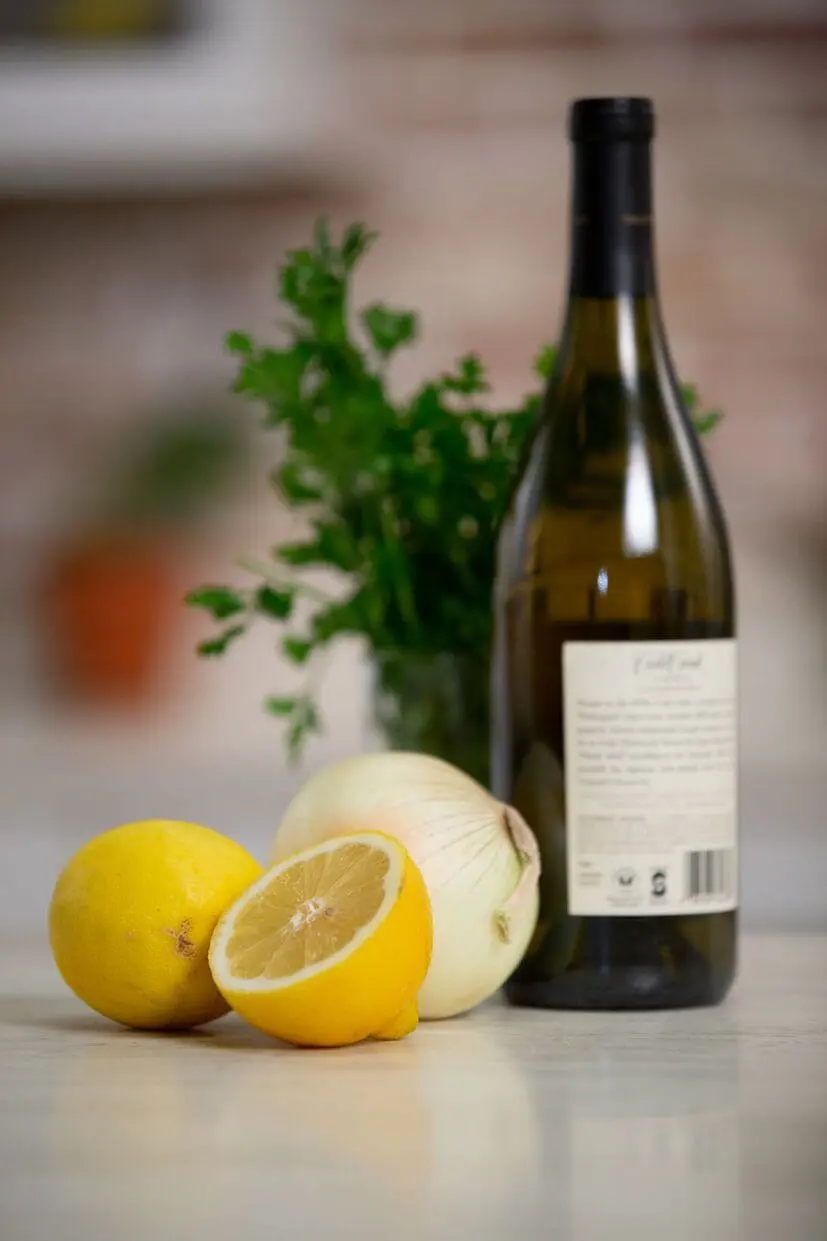
Pinot Grigio is dry and clean with a high acidity, making it a flexible go-to for risotto, white fish, or lemon chicken. It often has undertones of subtle fruitiness, like green apple or pear, which can add a gentle complexity to your dish without stealing the spotlight.
General rule for white wines: Reach for white wine in lighter dishes, like seafood, cream sauces, risottos, chicken sautés, vegetable braises, or anywhere you want a little brightness, acidity, or a clean finish.
What Are Fortified Wines? And Should You Cook With Them?
Vermouth, Marsala, and sherry fall into the category of fortified wines. These are wines boosted with added spirits for a longer shelf life and bigger flavor.
- Dry Vermouth: Crisp and herbal. Great for deglazing or adding depth to cream sauces.
- Marsala: Rich and slightly sweet. It’s key in classics like chicken Marsala.
- Dry Sherry: Savory and sharp. Perfect for soups, pan sauces, or sautéed mushrooms.
Use them in small amounts and only when the recipe calls for it. They’re bold, concentrated, and best when used with purpose.
Avoid the Oaky Mistake: What Wines Not to Cook With
Not all wines play well with heat.
Skip sweet wines unless your recipe specifically calls for it, like in poached pears or dessert glazes. Otherwise, they can throw off the balance of a savory dish.
You’ll also want to avoid heavily oaked wines, like many Chardonnays.
Because Chardonnay is aged in oak barrels, these barrels impart flavors like vanilla, butter, caramel, or toast on the wine. Great for sipping, but not so much when reduced in cooking. That’s because the flavors concentrate along with the wine, often becoming overpowering, bitter, or cloyingly sweet. This can be a major clash to your original intended flavors.
In short, oak-aged wines are built for sipping, not simmering. Reach instead for a Sauvignon Blanc or Pinot Grigio.
Does Alcohol Burn Off When Cooking?
You’ve probably heard the phrase “don’t worry, the alcohol burns off during the cooking” but that’s not entirely true. Some alcohol burns off, yes, and that largely depends on the cooking method (simmering, flambé, baking) and the time spent cooking.
For example, a quick flambé or short simmer won’t burn off much alcohol at all, while a slow-simmered stew will leave only trace amounts behind. One study showed that the cooking vessel used affected the rate at which alcohol burned off, with small vessels retaining more alcohol content likely due to the smaller surface area.
According to data from the USDA’s Nutrient Data Laboratory, here’s a rough guide:
- Flambé or brief simmer (less than 5 minutes): up to 85% alcohol remains
- Simmered 15–30 minutes: about 35% alcohol remains
- Simmered for 2+ hours: 5% or less remains
The bottom line? Most recipes that use wine for flavor, and are cooked for a decent length of time, won’t leave you with much alcohol. But in quick-cooking dishes, some alcohol will remain, so it’s good to keep that in mind depending on who you’re serving.
Alternatives to Wine in Cooking
Whether you want to skip the alcohol or just don’t have a bottle on hand, there are plenty of ways to mimic wine’s acidity and depth, no corkscrew required.
Here’s a few smart, easy swaps:
- White Wine Substitute: Try white wine vinegar + broth, or lemon juice + water to match the acidity without overpowering the dish. Making something slightly sweet, like poached pears or a glaze? Go for white grape juice. It’s a gentle, non-alcoholic stand-in.
- Red Wine Substitute: Use red wine vinegar + broth for stews or braises. Need more color and body? Add a splash of unsweetened pomegranate or cranberry juice for tartness and depth.
Match your broth to the wine style. Use chicken or veggie broth for white wine subs, beef or mushroom broth for red. Start with a 3:1 broth-to-vinegar ratio and adjust to taste.
Or you can try verjus if you can find it, usually at international or French grocery stores. It’s a gently tart, unfermented grape juice with soft acidity and no vinegar bite. Great for pan sauces, vinaigrettes, or reductions, and it keeps in the fridge for 2–3 months once opened.
Cooking with Wine FAQs
- Can I use opened or expired wine for cooking?
Tempted to use that half-empty bottle from the back of the fridge? Give it the smell-and-sip test first. If it smells vinegary, musty, or off in any way, skip it, as it’ll bring those flavors straight into your food. Remember the general rule: if you wouldn’t sip it, don’t cook with it.
Tip: Have leftover wine from dinner? Save it for cooking by transferring from the bottle into a smaller airtight container in the fridge. Less air slows oxidation and keeps it usable for weeks.
- Can I swap red wine with white, or vice versa?
Not really. Red and white wines bring very different things to the table. White wine adds brightness and acidity, while red wine offers depth and savory complexity. For best results, stick with what the recipe suggests.
- At what point do you add wine when cooking?
Most of the time, wine goes in early, like right after you’ve sautéed aromatics or browned meat. That gives the alcohol time to cook off and the flavor time to concentrate. Adding wine at the end of cooking is trickier and can leave a sharp or raw taste unless carefully reduced.
Cook With Confidence (and the Right Wine)
Cooking with wine doesn’t have to be intimidating. Whether you’re pouring a splash into a pan sauce or slow-simmering a stew, wine adds balance, depth, and a certain something that brings a dish to life.
So skip the salty cooking wine and reach for something you’d actually enjoy sipping. Even a budget bottle will go a long way. Because when used well, wine absolutely belongs in your skillet.
Ready to give it a try? From risotto to boeuf bourguignon, our online cooking classes can help you build confidence. And if you’re ready to go all in, Escoffier’s degree and diploma programs—available online or on-campus—are designed to help you level up your skills and turn your passion into a career.
Enjoyed this article? Try these next:
- The Best and Worst Materials for Cookware
- Different Methods Of Cooking Meatballs
- How to Butterfly Meat
*This article was originally published on March 26, 2013, and has been updated.